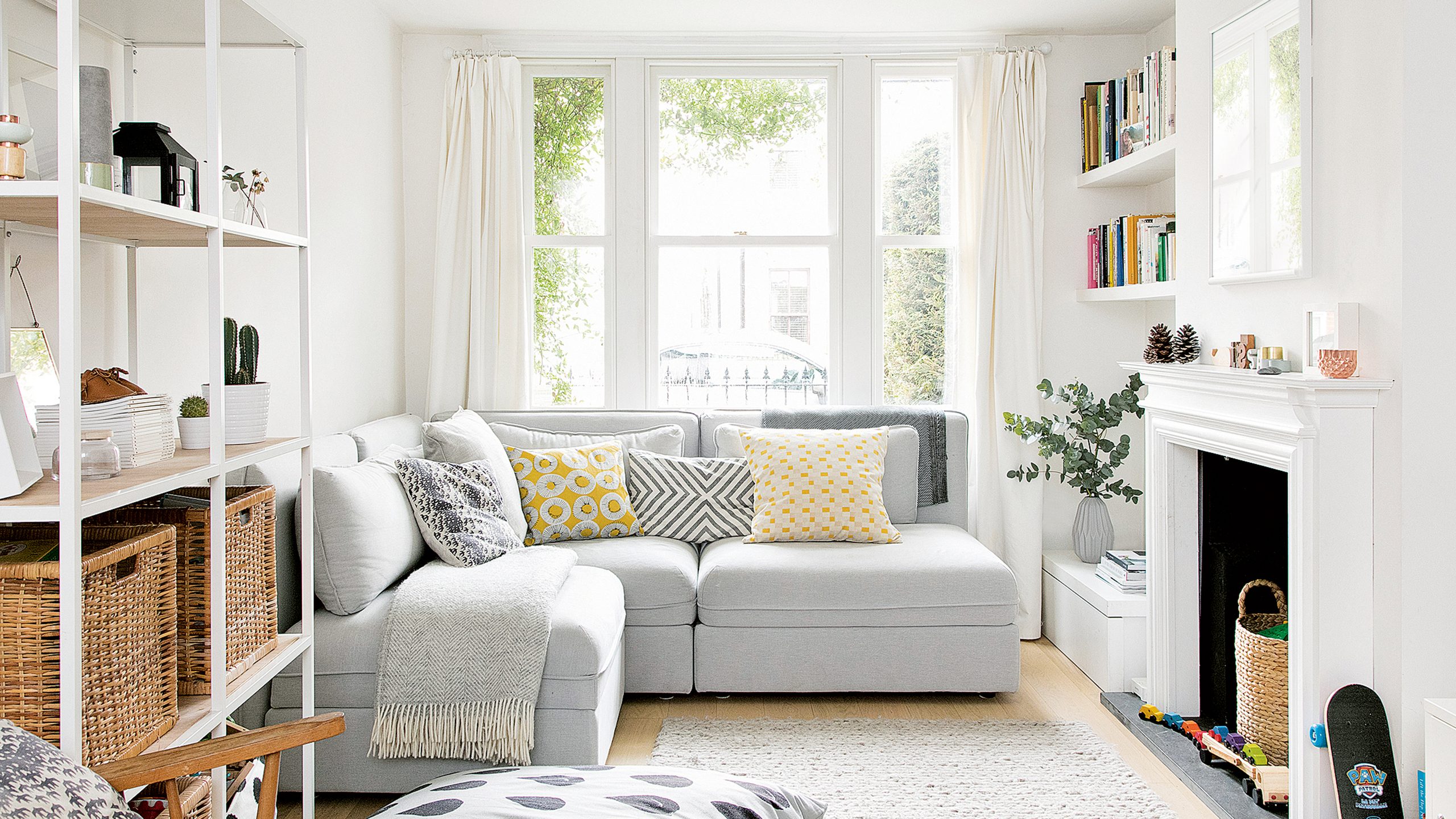
A home can slowly become crowded without anyone intentionally creating clutter. A few boxes remain after a move, seasonal decorations take over a closet, sporting equipment accumulates in the garage, and furniture that is rarely used occupies valuable floor space. Over time, rooms designed for everyday living can begin functioning more like storage areas.
Creating additional living space does not necessarily require a bigger house or an expensive renovation. Self storage offers another approach by giving households a separate place for belongings they want to keep but do not need every day. For people considering Scottsdale, Arizona storage, moving selected items out of the home can make existing rooms more functional while keeping possessions accessible when they are needed.
Look Beyond Obvious Clutter
Clutter is not limited to items scattered across countertops or floors. A home may look relatively tidy while closets, cabinets, spare bedrooms, and garages are filled to capacity.
Start by examining areas that no longer serve their intended purpose. Perhaps a guest room has become a holding area for boxes. Maybe the garage has so many stored belongings that there is little room for vehicles or projects. A dining area might contain furniture or household items waiting for a future use. Identifying these spaces helps reveal how much usable room is being lost to storage.
Decide What Deserves Everyday Space
Not every possession needs to remain within immediate reach. Items used daily or weekly naturally belong in the home, but belongings needed only occasionally can often be stored elsewhere.
Holiday decorations are a good example. They may be important to the household but are typically used for a limited period before sitting unused for months. Camping equipment, extra luggage, seasonal clothing, spare furniture, hobby supplies, and archived household items can create similar challenges.
Self storage allows homeowners to keep these possessions without allowing them to dominate everyday living areas.
Give Rooms Their Purpose Back
One of the biggest advantages of reducing household clutter is the opportunity to reclaim entire spaces. A spare bedroom filled with boxes can become a comfortable guest room. An overloaded garage can once again provide space for parking, tools, or hobbies. A crowded home office can become a calmer environment for focused work. Even clearing a hallway closet can make everyday organization easier.
The goal is not simply to make a home look emptier. It is to ensure each room supports the activities it was designed for.
Organize Before Moving Items Into Storage
A storage unit works best when it is treated as an organized extension of the home rather than a place where unwanted objects disappear.
Sort belongings into clear categories before packing. Similar items should be stored together, and boxes should be labeled according to their contents. Frequently needed possessions can be placed closer to the entrance, while items unlikely to be retrieved regularly can go farther back.
Creating a simple inventory can also help. Knowing what has been stored prevents unnecessary searching and reduces the chance of purchasing replacements for things already owned.
Consider The Arizona Climate
Storage conditions matter when belongings are being removed from the controlled environment of a home. Scottsdale’s desert climate makes this particularly relevant.
Furniture, electronics, photographs, documents, artwork, and other sensitive belongings may benefit from an indoor storage environment where temperature conditions are better managed. When comparing Scottsdale, Arizona storage options, it can therefore be useful to consider the type of items being stored rather than choosing a unit based only on available space.
Proper packing also matters. Sturdy containers, protective covers, careful stacking, and suitable wrapping can help keep belongings in good condition while they are away from home.
Use Self Storage During Life Changes
Clutter often increases during periods of transition. Moving, renovating, downsizing, combining households, or welcoming a new family member can temporarily create more possessions than the home can comfortably accommodate.
Self-storage provides breathing room during these periods. Furniture can be moved out while rooms are renovated, boxes can be stored between moving dates, and belongings can be sorted gradually rather than under pressure.
This flexibility can be particularly useful when people are unsure whether certain possessions will be needed in their next home. Instead of making rushed decisions, they can store the items temporarily and revisit them later.
Avoid Turning Storage Into Permanent Clutter
Moving belongings elsewhere should not replace thoughtful organization. A storage unit filled indefinitely with forgotten possessions simply relocates the original problem.
Review stored items periodically and ask whether they still have practical, financial, or personal value. Some may eventually return home, while others may be suitable for selling, donating, recycling, or disposing of responsibly.
This habit keeps storage purposeful and ensures the space continues supporting the household rather than becoming another source of clutter.
Create Space For The Way You Live Today
Homes work better when available space reflects current needs instead of being occupied by belongings from every previous stage of life. Clearing unnecessary items can improve movement through rooms, simplify cleaning, and make frequently used possessions easier to find.
Self storage provides a practical middle ground between keeping everything at home and permanently getting rid of valued belongings. By carefully deciding what stays, what goes into storage, and what is no longer needed, households can reclaim valuable square footage without sacrificing the possessions they genuinely want to keep.
Ultimately, turning clutter into usable living space is less about having fewer things and more about putting those things in the right place.


