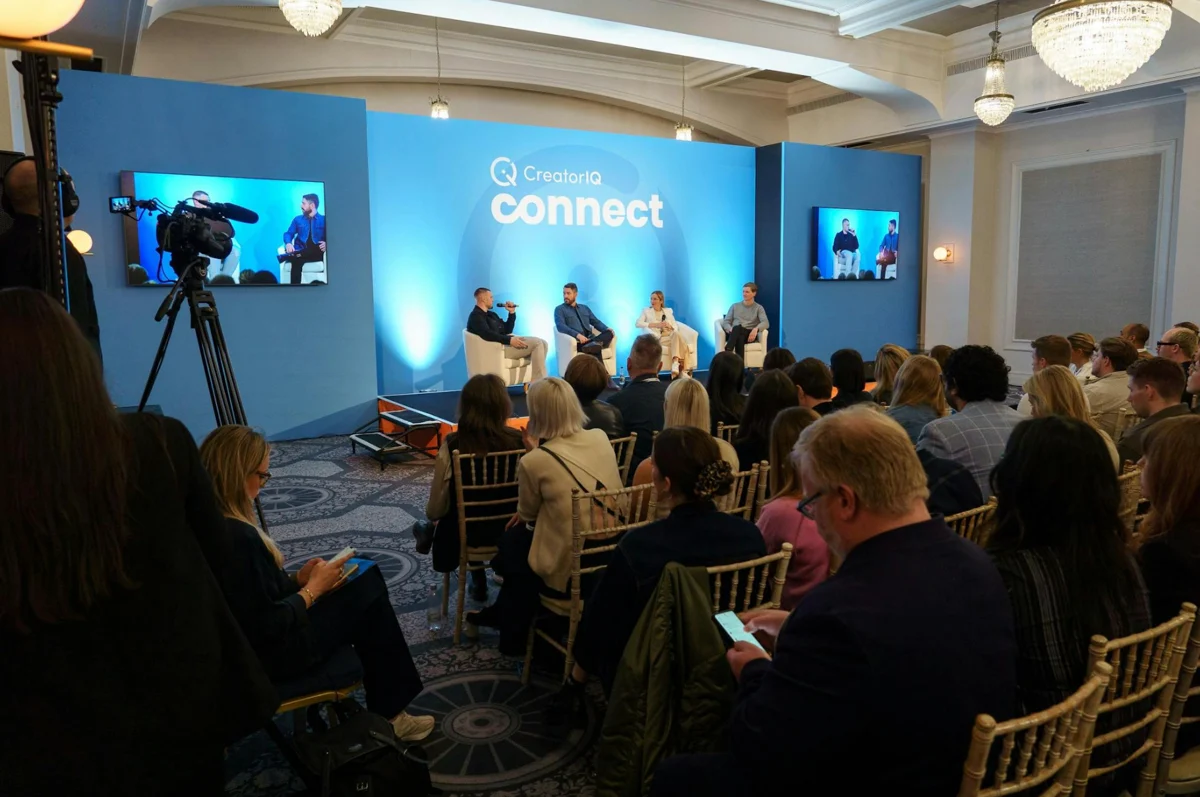
Live events are no longer simply gatherings where an audience watches a speaker, presentation, or performance. They have become carefully constructed communication environments where video, graphics, presentations, lighting, sound, physical spaces, and digital interactions work together. As audiences become accustomed to sophisticated digital experiences in everyday life, they increasingly expect live events to deliver the same level of consistency and engagement.
Content integration addresses this expectation by connecting the different elements of an event into one cohesive experience. Instead of treating screens, presentations, branding, stage design, and audience interaction as separate components, production teams can coordinate them around a unified communication strategy.
Content Is Becoming Part of the Environment
Traditionally, event content was largely confined to presentation slides or videos shown on a central screen. Modern venues provide far more possibilities. LED walls, projection surfaces, digital signage, scenic elements, mobile displays, and interactive technology allow content to appear throughout the physical environment.
This changes how organizers can communicate with attendees. Information does not need to wait for a scheduled presentation. Directional messages, branded visuals, speaker information, schedules, sponsor content, and interactive prompts can appear at relevant moments throughout the attendee journey.
The result is an environment that actively communicates rather than simply providing a backdrop.
Creating Continuity Between Event Spaces
Large events often contain several distinct areas, including entrances, exhibit halls, breakout rooms, networking spaces, and main stages. Without coordinated content, these areas can feel disconnected.
Integrated content provides visual and informational continuity as attendees move between spaces. Consistent typography, imagery, messaging, motion graphics, and branding can create the feeling that every area belongs to the same experience.
This principle is especially valuable when planning a trade show booth design in Orlando, where exhibitors may need to establish a recognizable identity within a visually crowded exhibition hall. Coordinating booth graphics, digital displays, demonstrations, and presentation content can help create a more unified visitor experience rather than relying on individual elements to attract attention independently.
Supporting Speakers Without Competing With Them
Effective event content should strengthen a presentation rather than distract from it. Large screens and sophisticated graphics can be impressive, but visual complexity does not automatically improve communication.
Production teams increasingly consider how supporting content relates to what is happening on stage. A key statistic might appear precisely when a speaker discusses it, while an animation can simplify an idea that would otherwise require a lengthy explanation.
This synchronization allows visual content to perform a specific communication function. Instead of becoming decoration, technology becomes an extension of the speaker’s message.
Making Transitions More Meaningful
Transitions are easily overlooked during event planning. Yet the periods between sessions, speakers, demonstrations, and activities strongly influence how polished an event feels.
Content integration can transform these gaps into useful moments. Screens can introduce the next speaker, highlight upcoming activities, provide navigation information, recognize sponsors, or encourage audience participation.
Thoughtful transitions also maintain momentum. Rather than allowing attention to disappear whenever the stage changes, organizers can use integrated media to guide attendees naturally toward what happens next.
Giving Production Teams Greater Flexibility
Live events rarely unfold exactly as predicted. A presentation may run long, a speaker may arrive late, or the schedule may change unexpectedly.
A coordinated content system gives production teams greater flexibility when these situations occur. Digital displays can communicate schedule changes quickly, holding content can fill unexpected gaps, and prepared visual assets can support last-minute adjustments without making the event appear disorganized.
This adaptability is particularly important for complex conferences and corporate events where numerous sessions and technical elements must remain synchronized.
Extending the Value of Event Content
Integrated content can also have value long after attendees leave the venue. Presentation graphics, recorded sessions, interviews, animations, and event footage can be adapted for websites, internal communications, social media, sales presentations, and future campaigns.
Planning for this reuse from the beginning can make event production more efficient. Instead of producing materials exclusively for a few hours on stage, organizations can build a library of content capable of supporting communication for months afterward.
Conclusion
The growing importance of content integration reflects a larger transformation in live events. Audiences increasingly experience an event as one connected environment rather than a collection of individual presentations and technical components.
When visual media, physical spaces, presentations, technology, and messaging support one another, information becomes easier to follow, and the overall experience feels more intentional. As event technology continues to evolve, successful production will depend increasingly on how effectively all of these elements communicate together.