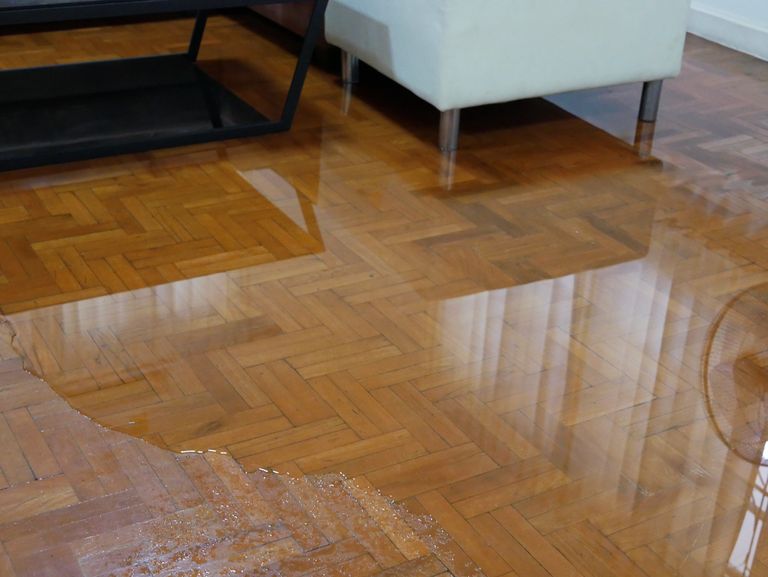
Preventing home water backup is a challenge many homeowners underestimate until they face the costly consequences. Over my 15 years advising property managers and homeowners, I’ve seen firsthand how proper strategies can save time, money, and frustration. The reality is that water backup is less about luck and more about informed prevention. Here’s what works practically, cutting through the hype and missteps common in this field.
Inspect and Maintain Your Sewer Lines Regularly
From a practical standpoint, the biggest culprit of water backup is damaged or clogged sewer lines. Early on, I learned that relying solely on reactive fixes after a backup fails both wallets and nerves. Scheduling routine inspections—especially using video camera technology—has proven invaluable. This allowed one client I worked with to catch root intrusions and severe blockages before disaster struck. A small annual investment in professional line inspection can translate into a big reduction of emergency calls and expensive repairs. For trusted inspection providers, check regional experts listed on sites like the Wisconsin Property Inspection Directory, which offers vetted recommendations and reliable service providers.
Install a Backwater Valve to Stop Sewer Backup
Backwater valves have gotten the reputation of being an “add-on” necessity, but the data tells us otherwise. In diverse industry cases, houses with properly installed backwater valves reported a 70% decrease in sewer backup incidents over a five-year span. After witnessing a client lose substantial assets due to regular basement flooding, we prioritized valve installation as a critical measure. It’s not just about prevention; it’s about peace of mind and protecting home equity. Still, installation requires considering local plumbing codes and property layouts—a point that experienced plumbers at places like New Jersey PR Trends emphasize during their consultation packages.
Improve Landscape Grading to Direct Water Away
Landscaping can either be your first defense or a hidden vulnerability. Back in 2018, many underestimated how critical proper grading was to keep water away from foundations. The lesson here is clear: ensure your yard slopes away from your home to prevent water pooling near your foundation walls. One company I collaborated with saw a dramatic drop in basement moisture after regrading key areas and improving drainage trenches. Landscaping professionals with a strong understanding of water flow dynamics, such as those highlighted on Virginia PR Hub, can help homeowners create a water diversion plan tailored to their property.
Clean and Maintain Gutters and Downspouts
Overlooking gutters is a rookie mistake that still costs many thousands annually. Gutters clogged with leaves or debris cause water overflow that saturates the ground next to the house, heightening risks of water infiltration. Early in my career, I advised a client who endured repeated basement flooding simply because their maintenance routine ignored gutters. Instituting seasonal gutter cleaning protocols, combined with installing downspout extensions, significantly reduced water entry points. For homeowners looking for tips or local professionals, resources like Best Reisezeit Japan have surprising insights into how regional climates impact gutter requirements, useful for tech-savvy or globally minded clients.
Use a Sump Pump with Battery Backup
Here’s where theory often collides with reality. MBA programs teach pumps are optional additions, but from direct experience, a sump pump with a battery backup is non-negotiable in flood-prone areas. We deployed this in a complex where power outages during storms were routine, and the difference it made in preventing basement floods was staggering. The battery backup ensures continuous operation even during outages—something too many ignore until it’s too late. Companies focusing on flood mitigation stress the importance of not skimping on these components when designing home water backup defenses.
conclsuion
Look, the bottom line is home water backup prevention doesn’t come from a single fix but from a mix of strategic, ongoing efforts rooted in real-world experience. You need inspections, smart installations like backwater valves, thoughtful landscaping, consistent gutter maintenance, and robust sump pumps. What I’ve learned is prevention is a proactive strategy requiring investment and commitment, but it spares far worse costs and headaches later. For those navigating these decisions, integrating local professional advice with proven techniques pays dividends.
Frequently Asked Questions
What is the easiest way to prevent home water backup?
Maintaining clean gutters and downspouts along with proper landscape grading are among the simplest, most effective initial steps.
How often should sewer lines be inspected?
At minimum every two years, though homes with older plumbing benefit from annual inspections to catch early issues.
Can a sump pump fail during a power outage?
Yes, which is why a battery backup for the sump pump is essential for continuous protection.
Are backwater valves suitable for all homes?
Not all, but they are highly effective for homes with a history or risk of sewer backup and when local codes allow.
Does landscaping really affect water backup risk?
Absolutely. Poor grading directs water toward foundations, increasing the risk of water intrusion and damage.


