Enhancing your computer’s cooling system isn’t just tech jargon – it’s a business imperative for anyone who depends on reliability and performance. I’ve spent over 15 years in environments where overheating wasn’t just a nuisance; it was a risk to deadlines, data security, and bottom lines. The reality is, cooling systems often get overlooked until they cause problems, but smart teams know that proactive adjustments keep operations smooth and costs down. Here’s the kind of advice I’d share over coffee, based on war stories, lessons from failures, and the kind of tweaks that actually move the needle.
Upgrade to High-Quality Thermal Paste for Better Heat Transfer
Getting your cooling right starts with something deceptively simple: the thermal paste between your CPU and cooler. In practice, I’ve seen entire setups underperform because this small step was ignored. When we missed fresh thermal paste, temperatures soared, throttling performance at critical moments. High-quality thermal paste improves heat transfer efficiency, preventing hotspots. Remember, cheap paste dries out fast or fails to spread evenly. Regularly reapplying quality thermal paste ensures consistent conduction, especially with demanding workloads. If you’re curious about detailed reapplication techniques, this guide walks you through the process with precision.
Invest in Additional Fans with Strategic Placement
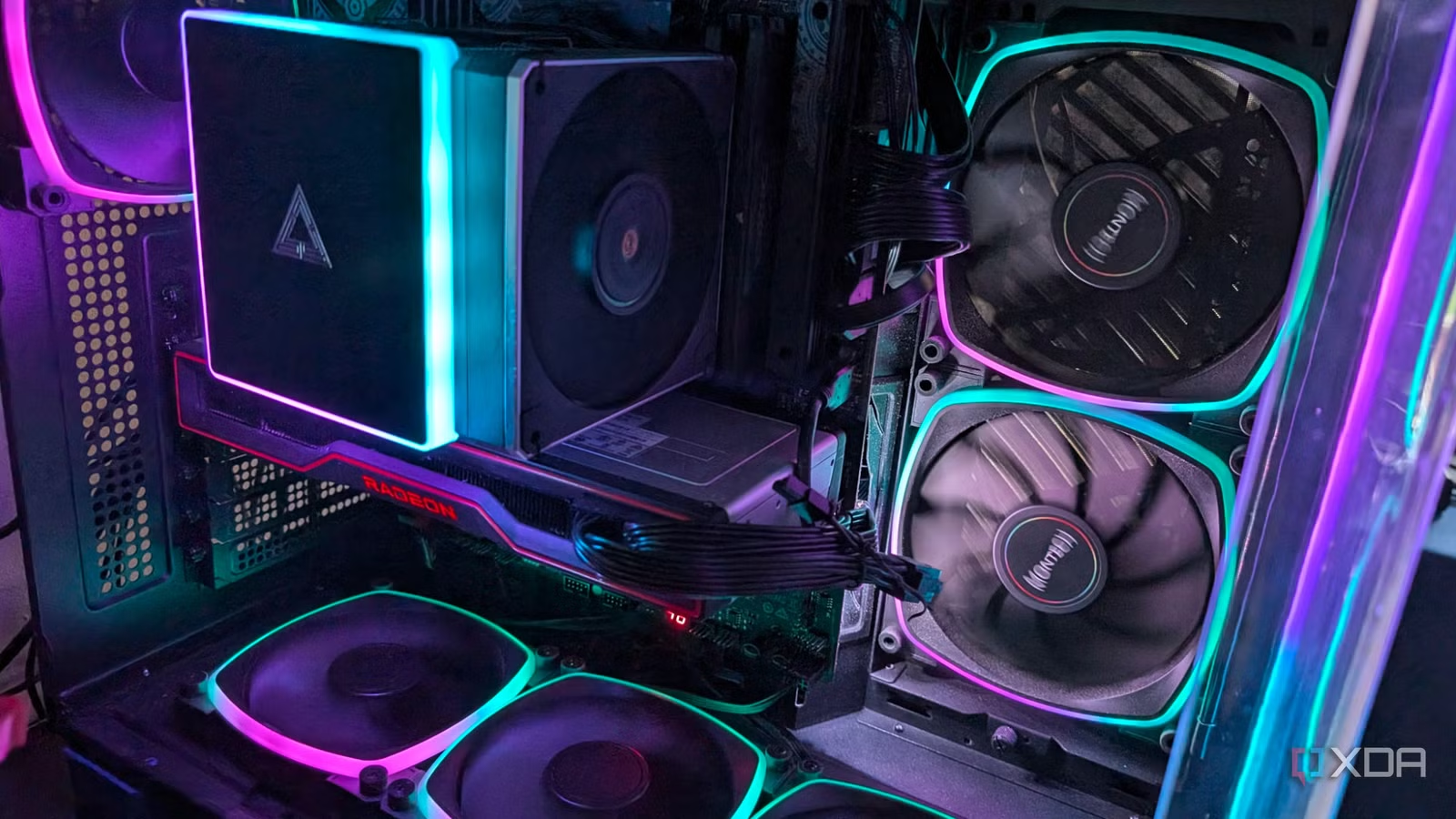
Fans are your first line of defense against heat build-up, but quantity alone isn’t the answer. Early in my career, we added multiple fans without considering airflow paths, which backfired by creating dead zones of stagnant air. The key is strategic placement—intake fans at the front drawing cool air in and exhaust fans at the rear pushing hot air out. This balanced airflow prevents heat pockets and keeps components cooler. Look for fans with high airflow and low noise ratings. Also, consider fan speed controls to match your system’s load so you don’t sacrifice quietness unnecessarily.
Clean Your System Regularly to Avoid Dust Build-up
One lesson I learned the hard way: dust kills cooling effectiveness faster than you’d expect. I handled a client’s server room where neglected dust led to overheating and costly downtime. From a practical standpoint, cleaning your system isn’t just aesthetics—it maintains airflow, fan efficiency, and extends hardware life. Use compressed air to blow dust off critical areas like heat sinks, vents, and fan blades. Regularly scheduled cleanings reduce the risk of thermal throttling. If your systems run in dusty environments, an enclosure with dust filters can be a valuable investment to minimize the workload.
Consider Liquid Cooling for High-Performance Needs
Liquid cooling systems aren’t just for gaming rigs anymore. In fact, for businesses running intensive computing tasks—like data analytics or 3D rendering—I’ve recommended liquid cooling as the cost-effective choice. Early misconceptions about complexity and maintenance have shifted as closed-loop systems became user-friendly and reliable. Liquid cooling offers superior heat dissipation, which translates into lower CPU temperatures and longer component lifespan. The data tells us well-implemented liquid cooling can keep temperatures 15-20% lower than air cooling on average, boosting performance stability under heavy loads.
Monitor Temperatures with Software for Proactive Management
Even the best cooling setup needs monitoring to catch issues before they become disasters. I recall a situation where our team caught an overheating problem simply because software alerts flagged abnormal CPU temps early on. Tools like HWMonitor and SpeedFan give real-time feedback, allowing adjustments before hardware damage or automatic shutdowns occur. Monitoring is critical during peak workloads or when implementing changes to your configuration. This proactive approach has saved countless hours and dollars in maintenance and emergency repairs—proof that good monitoring is as important as hardware upgrades.
Conclusion
Look, the bottom line is effective computer cooling combines technical know-how with practical vigilance. From high-quality thermal paste to vigilant software monitoring, each step contributes to a stable, efficient system. I’ve seen companies lose significant value simply because they ignored these details. The reality you must face is overheating is preventable, if you treat it as a strategic priority rather than an afterthought.
Frequently Asked Questions About Enhancing Computer Cooling Systems
What is the most cost-effective way to improve my computer’s cooling?
Regularly cleaning dust from fans and applying fresh, quality thermal paste offers big returns with minimal investment.
Can liquid cooling be used in business environments?
Absolutely. Liquid cooling systems have become more reliable and easier to maintain, making them suitable for demanding office setups and workstations.
How often should I apply thermal paste?
Typically, every two years or when you notice temperature spikes. Neglecting this can lead to deteriorating thermal performance.
Are more fans always better for cooling?
Not necessarily. Proper airflow management and fan placement matter more than sheer quantity to avoid air stagnation inside your case.
What are reliable software tools for monitoring CPU temperatures?
HWMonitor, SpeedFan, and other utilities provide accurate temperature readings and alerts, crucial for proactive cooling management.