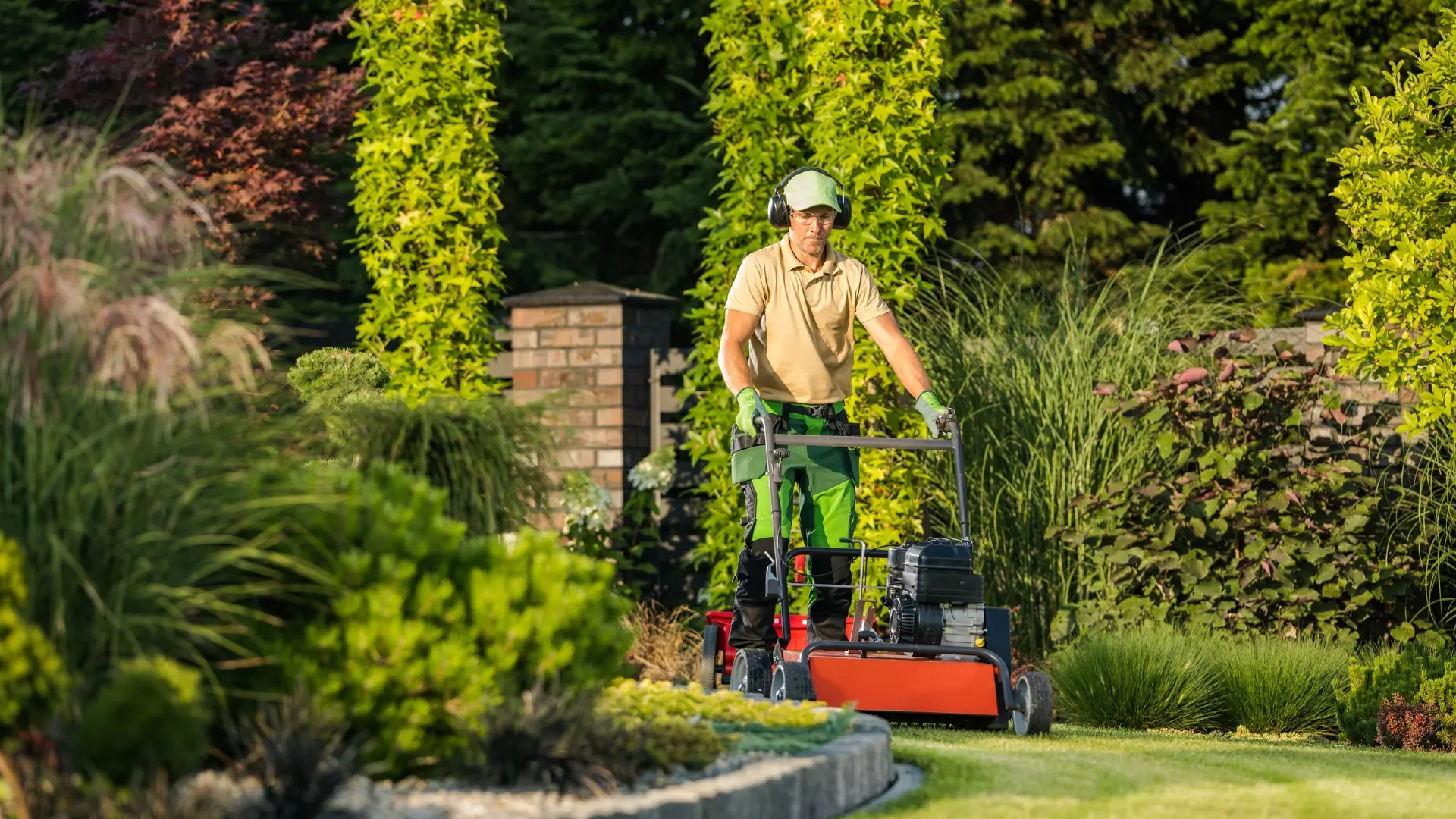
Taking care of your lawn and yard isn’t just about picking up a mower and sprinkling some fertilizer. From my 15 years working with landscapes in both residential and commercial settings, I’ve learned that effective lawn care requires a balance of smart tactics, timing, and understanding the nuances of your environment. What works today wasn’t always practical a decade ago — industry trends have shifted toward eco-friendly and technology-driven solutions, which actually deliver measurable results rather than just hype. The bottom line is that smart lawn care wins come from experience, testing, and adapting to your yard’s unique needs.
Here are five key smart solutions for lawn and yard care that have proven valuable over the years.
Efficient Irrigation Systems: Why Manual Watering Falls Short
In my early projects, I relied heavily on manual watering, thinking it was cost-effective. That approach backfired when I saw uneven growth and water waste. Automated irrigation systems with moisture sensors have changed the game. These systems target watering when and where it’s needed, saving water and optimizing lawn health. From a practical standpoint, smart irrigation adapts to weather changes, reducing runoff and overwatering. Most landscapes I’ve managed saw 20-30% water savings within months of installing these systems, improving grass vitality without inflating utility bills.
Precision Soil Testing for Targeted Nutrient Management
Early in my career, I poured fertilizers liberally, assuming it would boost growth. The reality? It often caused nutrient overload or deficiencies. Precision soil testing tools allow you to understand your soil’s exact nutrient makeup, pH balance, and organic composition. By tailoring nutrient applications based on actual soil data, you’re not guessing — you’re making informed decisions that save money and improve grass resilience. I use this approach consistently, including referencing trusted sources like
DMC Insider’s detailed guides on soil health to stay ahead of emerging trends.
Natural Pest and Weed Control: Beyond Chemicals
The industry has shifted markedly away from broad-spectrum chemicals to integrated pest management (IPM). I once worked with a client whose lawn suffered from chemical burn after excessive pesticide application. Now, natural predators, selective organic treatments, and lawn maintenance practices target weeds and pests without damaging the environment. The 80/20 rule applies here: focus on 20% of pest species causing 80% of the damage, then apply targeted, minimal-impact treatments. This method boosts environmental safety and long-term yard health, distinguishing smart solutions from quick fixes.
Using Mulching and Composting to Enrich Soil Structur
One lesson I learned painfully was that topsoil quality matters as much as the grass species. Conventional advice often overlooks soil structure. Smart lawn care includes regular mulching and composting to build organic matter in the soil. This not only retains moisture but also promotes beneficial microorganisms essential for healthy turf. I’ve seen up to a 15% increase in root depth and turf density from this practice alone. For those interested, resources like First Indian Paper have insightful pieces on sustainable composting methods, proving there’s plenty of knowledge outside mainstream lawn care.
Leveraging Lawn Care Apps and Technology for Real-Time Management
There was a time when lawn care was entirely reactive, but technology has transformed this. Lawn care apps can provide task reminders, weather forecasts, and growth tracking analytics. In my consultancy projects, clients who adopted these tools experienced fewer lawn diseases because treatments were timely and precise. While some still argue AI’s hype overshadows practicality, I’ve seen these apps simplify work and reduce costly mistakes. If you want to stay current, Geschichtenma features reviews on emerging smart garden tech that you might find useful.
Conclusion
The reality is, lawn and yard care is no longer a seasonally reactive chore but a strategic, tech-supported practice. What I’ve learned over many growing seasons is that good outcomes come from blending tradition with innovation—using data, sustainable approaches, and smart tools. The question isn’t whether smart solutions will make your lawn better; it’s when you’ll start adopting them. Treat your yard like an important asset, not a hassle, and you’ll enjoy the benefits all year round.
Frequently Asked Questions
What is the most effective irrigation system for a home lawn?
Smart drip irrigation with soil moisture sensors usually offers the best water efficiency and promotes healthy growth by targeting precise watering needs.
How often should I test my lawn’s soil?
Testing soil at least once a year, preferably in early spring, helps guide nutrient and pH adjustments for optimal lawn health throughout the season.
Are natural pest control methods as effective as chemical pesticides?
While natural methods may take more time, they target pests sustainably and reduce long-term damage, making them equally or more effective in many cases.
Can mulching improve drought resistance in lawns?
Yes, mulching retains soil moisture and improves soil structure, increasing drought resistance and reducing the need for frequent watering.
Do lawn care apps actually save time and reduce errors?
From my experience, yes — they provide timely reminders and data-driven insights, which reduce oversights and help maintain a healthier lawn efficiently.


