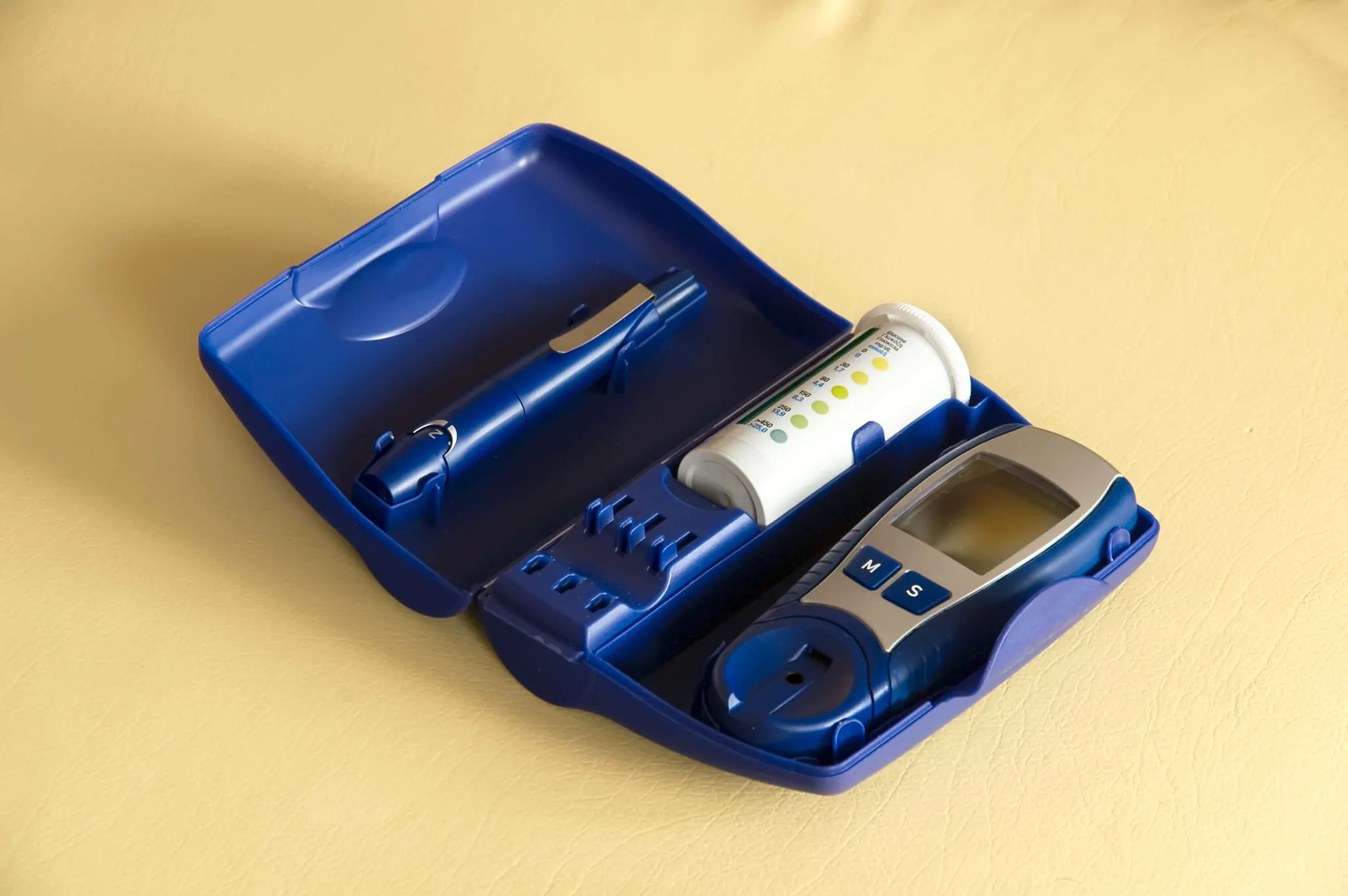
With the steadily rising expense of healthcare in today’s society, even modest earnings and savings can have a big impact. Many people with diabetes often find themselves with extra diabetic test strips that go unused. Whether it is due to a change in prescription, switching to a new glucose meter, or receiving supplies in bulk through insurance, these unused test strips can quickly accumulate. Instead of letting them expire or go to waste, selling them for cash has become a smart and sustainable choice. Turning unused diabetic test strips into cash is not only beneficial for you but also helps others who struggle to afford these essential supplies.
The Value Of Unused Test Strips
Diabetic test strips are essential tools for managing blood sugar levels. However, their cost can be burdensome, especially for those without insurance coverage. As a result, there is a growing market for unused test strips, where individuals can sell their extras to trusted buyers who redistribute them at lower prices. The value of these strips depends on their brand, expiration date, and condition. Popular brands like Accu-Chek, OneTouch, and FreeStyle tend to fetch higher prices because they are widely used and trusted by people with diabetes.
The condition of the packaging plays an important role as well. Unopened boxes with intact seals are more valuable than those with damaged or partially opened packaging. Additionally, strips that have a longer expiration date are worth more since they remain useful for a longer period. Understanding these factors allows sellers to get the most out of their unused supplies. By selling your unused diabetic supplies to trusted buyers who offer More Cash For Test Strips, you can turn extras into quick earnings while helping others access affordable healthcare.
Why People Sell Their Extra Test Strips?
There are many reasons why individuals end up with extra diabetic test strips. Some may receive more supplies than they need through insurance. Others may switch meters and find that their old strips no longer work with their new device. In some cases, family members of deceased diabetes patients may inherit boxes of unused supplies. Instead of discarding these test strips, selling them provides a meaningful way to put them to good use.
Selling unused diabetic supplies benefits both sides. Sellers earn extra cash from products that would otherwise go to waste, while buyers who cannot afford high pharmacy prices get a chance to access affordable test strips. This practice contributes to reducing medical waste and promoting sustainability.
How To Sell Your Unused Test Strips For Maximum Cash?
To get the most money for your unused diabetic test strips, it is important to find reputable buyers. Several licensed companies and online platforms specialize in buying and reselling diabetic supplies. Before selling, make sure to check the credibility of the buyer. Look for established platforms with verified reviews and clear payment processes. Avoid unverified or suspicious buyers who may offer higher rates but pose risks of fraud or nonpayment.
Packaging and presentation also influence how much you can earn. Ensure that your boxes are sealed and clean, with visible expiration dates and barcodes. Avoid selling strips that are close to expiration, as they tend to bring in less cash. If you have multiple boxes, consider selling them together as bulk sales, which sometimes attracts higher offers.
Payment options vary among buyers. Many companies provide instant payment through PayPal, Venmo, or direct deposit once they receive and verify your shipment. Always read the terms carefully and ensure that the process complies with regulations.
Legal And Ethical Considerations
It is essential to understand that selling diabetic test strips is legal as long as they are over-the-counter and not obtained through government-funded programs like Medicaid or Medicare. Selling supplies from these sources is prohibited by law. By following legal guidelines and selling only personal surplus items, you can participate in this secondary market safely and responsibly.
Ethically, selling unused test strips helps bridge the gap between affordability and accessibility. Many people with diabetes struggle to buy their supplies, especially in low-income households. By selling your extras, you are not only earning but also helping someone maintain their health.
Sustainability And Community Impact
The resale of unused test strips also contributes to environmental sustainability. Medical supplies that go unused and end up in landfills create unnecessary waste. When individuals sell their extra test strips, they help extend the life cycle of valuable materials and reduce waste. This small action supports a larger movement toward responsible consumption and recycling within healthcare.
Additionally, this growing market fosters a sense of community among people managing diabetes. It promotes the idea that healthcare can be more affordable and accessible through shared responsibility and mutual support.
Conclusion
Turning unused diabetic test strips into cash is a practical and meaningful way to generate extra income while helping others. Understanding how to assess the value of your test strips, choosing reliable buyers, and following legal guidelines ensures that the process is smooth and beneficial. What might seem like waste in your medicine cabinet can become a valuable resource for someone else in need. By selling your extra test strips, you not only earn money but also contribute to reducing waste and improving healthcare accessibility. It truly is a win-win situation where waste transforms into wealth and generosity meets opportunity.
